
Technical Articles
D38999 Series III Part Number Breakdown: From Code to RFQ
2026-10-27T12:45:00.000Z
Decode D38999/26WA35SN and a /24 receptacle example. Keep body style, class, shell, arrangement, contact gender and keying intact on the RFQ.
A D38999 Series III part number is useful only if every field reaches the quotation intact. Copying D38999/26WA35SN as “38999, six-way socket” removes the shell style, class, shell-size code, arrangement reference and keying position that distinguish the requested item.
The examples below explain the Series III D38999 ordering structure. Do not apply the same field positions to MS27xxx references from other series or to a manufacturer's proprietary number. [1]
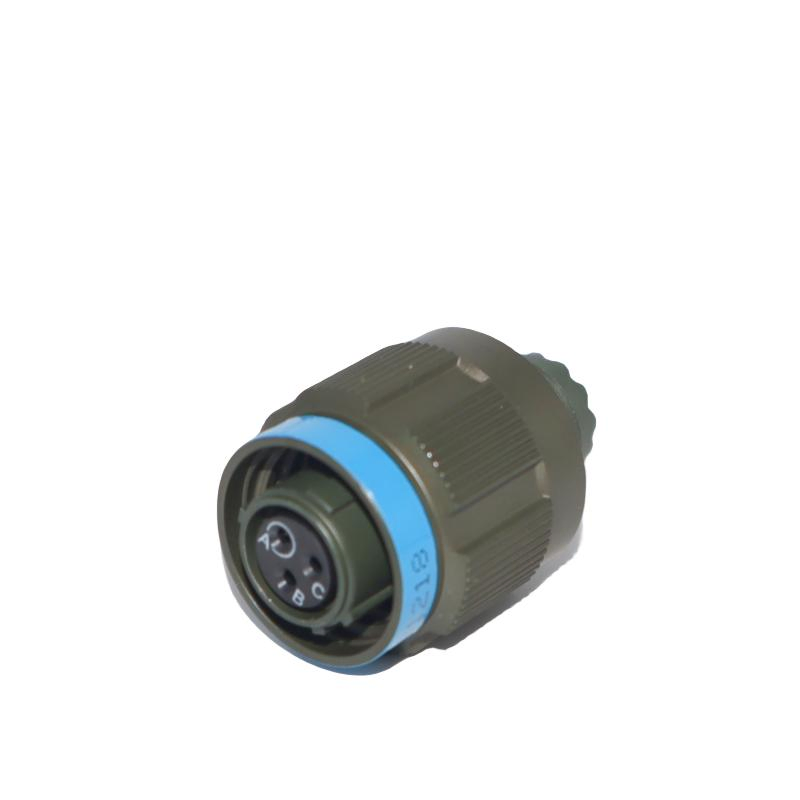
Figure 1. Supplier-source sample illustrating the plug form. The photo is not claimed to be the exact example code, an original named-brand item or proof of qualification.
Work through the code from left to right
The manufacturer reference guide and its Series III catalog distinguish the body style, service class, shell-size code, arrangement, contact designation and polarization. Use them together with the applicable detail drawing.
| Segment in D38999/26WA35SN | Meaning in this worked example | What belongs on the RFQ |
|---|---|---|
| D38999/26 | Series III straight plug | Retain the complete prefix and slash number |
| W | Service-class/finish designation; the cited guide lists olive-drab cadmium over nickel for W | Preserve W and state any material/finish restrictions |
| A | Shell-size code corresponding to size 9 | Keep the letter in the full reference |
| 35 | Insert arrangement; with this shell, the 9-35 layout | Verify the shell and arrangement together |
| S | Socket-contact designation | Do not replace it with the word “receptacle” |
| N | Normal polarization position | Retain the keying code rather than dropping the suffix |
The catalog's 9-35 arrangement has six size-22D contacts. 35 is not a contact count. The table describes an ordering example, not the stock, included accessories or approval status of a supplied item. [1, 2]
Now compare a receptacle code
Consider D38999/24WA35PN. In this example, /24 identifies a jam-nut receptacle; P specifies pin contacts. The W, A, 35 and N fields retain their respective roles in the ordering structure. [1]
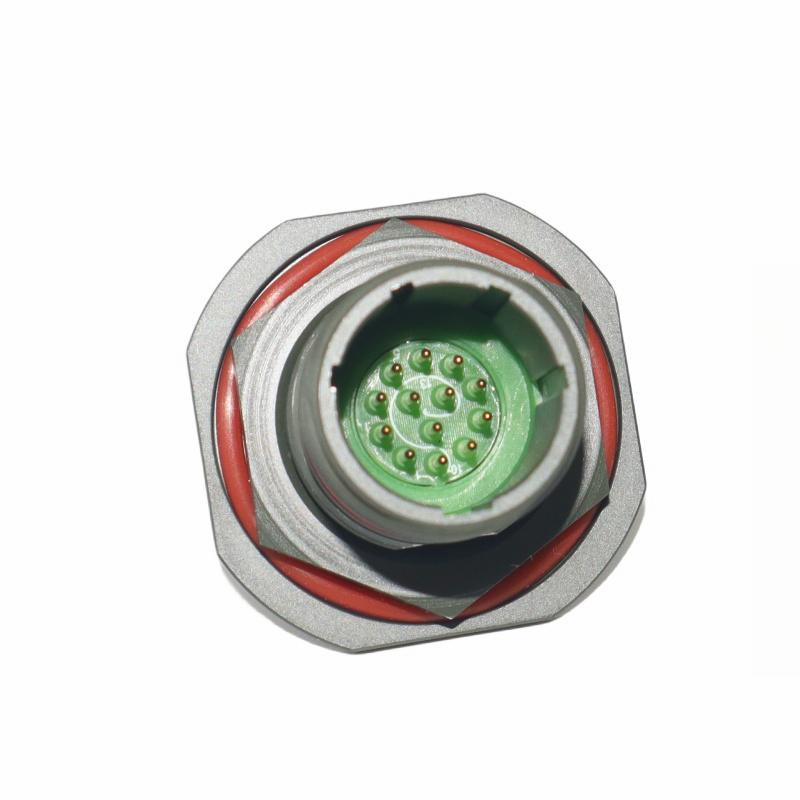
Figure 2. Supplier-source mounting-form example. The image is not a dimensional drawing or proof that it is the exact worked receptacle code.
The two examples give a configuration to investigate as a pair, subject to their applicable drawings and requirements. They are not a report of a physical mating test. The D38999/26 mating guide covers the separate choice between /20 flange mounting and /24 jam-nut mounting.
Notice the terminology: plug/receptacle names the shell form; pin/socket names the contact configuration. A socket-contact plug is not a contradiction. Confusing those two descriptions can lead a quotation to specify the wrong half.
What the code still does not tell the buyer
Reading the fields correctly does not by itself establish:
- Who manufactured the actual offered item and which maker reference will appear on the quotation.
- Whether contacts and rear accessories are included in that delivery.
- Which documents and traceability are supplied.
- Whether the equipment owner accepts the proposed item or any alternative.
- Whether the required quantity is available for the requested delivery date.
Put those questions beside the decoded reference. Where a material or finish condition matters, state it explicitly instead of relying on a short marketing description of the class.
Keep transcription errors visible
Copy the reference from the controlled requirement, then compare it with a clear label or marking photograph. Preserve punctuation and suffixes in the review record. If a character is unclear, flag it rather than silently replacing it with a familiar code.
Use separate RFQ fields for requested reference, proposed maker/item, mating reference, quantity and documents. That makes any difference between the original requirement and the supplier's proposal visible before the order is released.
Figure 3. A technician preparing an electrical-harness test cable at Kennedy, 14 December 2007. The installed wiring and access remain separate from the ordering-code breakdown. Credit: NASA/KSC. Original archive. Context only; the connector series is not identified and this is not a Tradin installation or endorsement.
For a MIL-DTL-38999 sourcing review, send the unabridged part number, mating half, quantity, drawing and required date. State whether the purchase must be original-only or can include alternatives for evaluation.
Request a quotation using the complete Series III reference →
References
[1] Amphenol Connector Reference Guide, Volume 2, Series III ordering fields and service-class table.
[2] Amphenol 38999 catalog, insert-arrangement section, printed page 15 for 9-35. Sources checked 18 October 2026.
FAQ
Does 35 in D38999/26WA35SN mean 35 contacts?
No. It is the arrangement reference; the cited 9-35 arrangement contains six size-22D contacts.
Is a socket-contact plug the same as a receptacle?
No. Plug/receptacle describes the shell form; pin/socket describes the contacts. Keep both fields explicit.
Can this breakdown be applied to every MS27xxx number?
No. This article covers the D38999 Series III ordering structure. Other series and proprietary numbers require their own ordering guides.