
Technical Articles
D38999 Contact Size vs Wire Size: What to Confirm Before Ordering
2026-11-02T09:07:00.000Z
Separate D38999 contact size, conductor gauge and insulation diameter. Confirm the exact contact, wire, included parts and assembly information before ordering.
D38999 contact size and wire size are different specifications. A contact described as size 22D does not mean that every wire described as 22 AWG is automatically suitable for it. Identify the actual contact part number, conductor requirements and insulation dimensions before ordering.
The connector's shell size, the insert arrangement, the contact size and the conductor gauge belong in separate fields. Keeping them separate prevents a short RFQ from becoming an assumed termination specification.
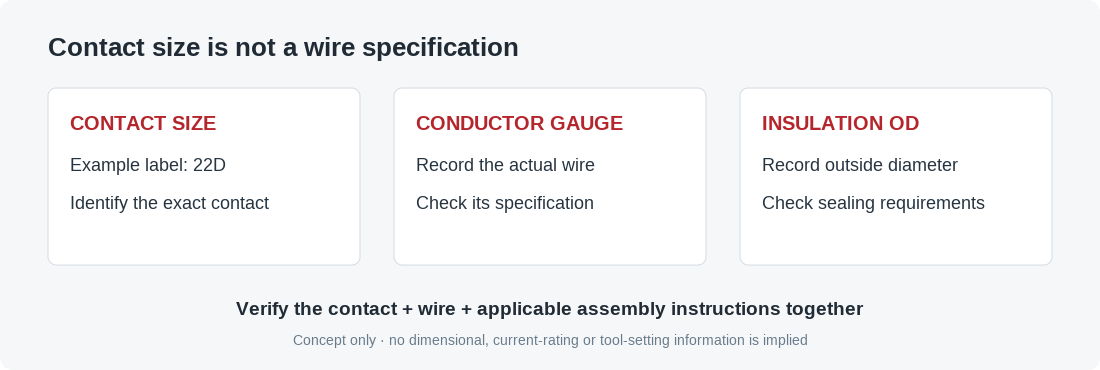
Figure 1. Original concept diagram. It separates specifications; it is not a contact drawing, wire-range chart or crimp-tool setting guide.
Begin with the exact contact
Amphenol's contact information separates contacts, application tools and assembly instructions by connector family. That is the right structure for a review: first identify the connector and contact, then consult the information for that combination. [1]
| Field | Useful purchasing input | What it does not establish alone |
|---|---|---|
| Connector reference | Complete series, body, shell/insert and contact designation | Which loose contact is included in the offer |
| Contact reference | Full specified contact part number | That a different contact with the same size label is interchangeable |
| Conductor | Gauge or cross-section and applicable wire specification | The insulation diameter or finished cable diameter |
| Insulation | Actual outside diameter and construction information | An automatic match to every rear seal or grommet |
| Assembly requirement | Applicable process and identified tool system | A universal tool setting for the connector family |
Where the applicable reference uses AS39029 contacts, retain the complete contact reference. A standard-family name is not a complete loose-contact purchase line.
Read the insert chart without turning it into a wire chart
The 9-35 arrangement in the cited 38999 catalog contains six size-22D contacts. That describes the arrangement's contact population. It is not a replacement for the exact contact's permitted wire and assembly information. [2]
If the supplier proposes a different contact reference, ask what changes. Keep the proposed contact and supporting document visible on the quotation. Do not let a quotation say simply “contacts included” where the contact system or documentation matters to acceptance.

Figure 2. A supplier receptacle face with visibly different contact diameters. Contact appearance cannot be converted directly into conductor gauge or an approved wire range.
Ask whether the delivery is complete
A connector-body price and a harness-ready package may include different items. Request an explicit answer for contacts, any required sealing items, rear accessories and other specified components. Identify whether additional contacts or spares are required by the order.
The complete D38999 BOM guide provides a broader purchasing framework. Here the narrow question is whether the contact and wire inputs are defined well enough for that BOM to be quoted and reviewed.
When the wire has not yet been selected, list it as an open engineering input. A supplier should not have to invent the conductor specification or insulation diameter to make the quotation look complete.

Figure 3. A supplier receptacle sample with board tails. A board-tail termination is not a wire crimp barrel: identify the delivered contact and termination form before applying any wire or tooling requirement.
Keep process instructions tied to the actual system
This article provides no crimp settings, test limits or universal current table. Those values require the applicable contact, wire, tool and controlled instructions. A family-level article cannot authorize an assembly process for a particular aerospace harness.
For a technical review, ask the responsible team to identify:
- The exact connector and insert requirement.
- The complete contact reference proposed for that configuration.
- The conductor and insulation dimensions to be checked.
- The applicable assembly and inspection instructions.
- Any documents or approvals required before purchase and use.

Figure 4. Molly Ginter testing avionics systems at Marshall, 16 March 2016. Electrical verification is performed on the actual system; this image supplies no contact-to-wire rating. Credit: NASA/FRED DEATON. Original archive. Context only; the connector series is not identified and this is not a Tradin installation or endorsement.
Send the fields that let a supplier answer
For a MIL-DTL-38999 quotation, include the full connector number, contact reference if specified, wire details, quantity and required date. State whether you need connector bodies only or a reviewed package of contacts and accessories.
Add original-only, traceability or other purchase requirements before the offer is prepared. That is more efficient than receiving a price for an unspecified contact and correcting the order afterward.
Send the connector, contact and wire requirements →
References
[1] Amphenol Mil-Spec Contacts, family-specific contact, tooling and assembly information.
[2] Amphenol 38999 catalog, printed page 15, 9-35 contact population. Sources checked 18 October 2026.
FAQ
Does size 22D automatically mean 22 AWG wire?
No. Contact size and conductor gauge are separate specifications. Verify the permitted wire information for the actual contact and assembly.
Is the conductor gauge enough for the rear seal review?
No. Actual insulation and cable dimensions, construction and the applicable rear-component requirements also matter.
Are crimp settings provided here?
No. Settings and inspection requirements must come from the identified contact, wire and tool system under the applicable controlled instructions.