
Technical Articles
MIL-DTL-38999 vs MIL-DTL-26482: A Harness Selection Checklist
2026-10-23T12:45:00.000Z
Compare specific 38999 and 26482 configurations by interface, termination, installation, accessories and purchasing requirements before comparing quotations.
Choosing between MIL-DTL-38999 and MIL-DTL-26482 starts with the interface and project requirements, not a claim that one family is universally better. For an existing installation, the required mating interface may already settle the decision. For a new harness, compare specific subseries and complete assemblies before asking for prices.
“38999 versus 26482” is too broad to be a purchase description. D38999 Series III and a PT solder-contact configuration, for example, involve different ordering and assembly decisions. Other configurations within the two families change the comparison again. [1, 2]
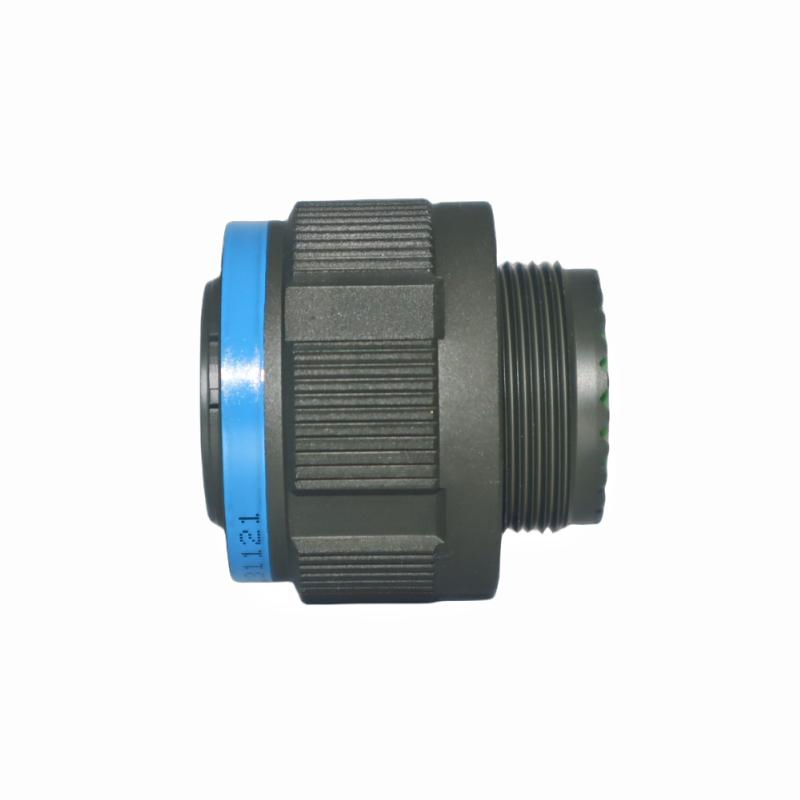
Figure 1. Threaded cable-side supplier sample. Record its complete series, shell, insert, termination and accessory requirements before comparing it with another family.
First decide what is fixed
For a replacement harness, record the installed equipment connector before comparing alternatives. A change of connector family can require changes beyond the cable: panel hardware, drawings, mating accessories, test equipment and the approval record may all be affected.
For a new design, write the inputs before selecting the connector:
- Circuits and their functions, with the applicable electrical requirements.
- Conductor and insulation dimensions, plus any special contact needs.
- Installation envelope, panel access and cable routing.
- Environment and the conditions under which performance must be demonstrated.
- Assembly, inspection, maintenance and procurement requirements.
Those inputs let a supplier propose a configuration that can be reviewed. A family name alone does not establish the correct rating, service life, qualification or supplied documentation.
Compare assemblies at the same level of detail
| Selection question | Information to compare | Avoid this shortcut |
|---|---|---|
| How does it connect? | Exact subseries, coupling and polarization requirements | Assuming every 38999 is threaded or every 26482 has one contact system |
| Will it fit? | Applicable interface drawing and installed envelope | Comparing only shell-size numbers across families |
| How is it terminated? | Identified contacts, assembly instructions and required tooling | Comparing a connector body with a completed cable-side kit |
| What completes the harness? | Rear accessories, sealing/shielding requirements and cable dimensions | Treating similarly named backshells as interchangeable |
| What may be purchased? | Named maker/item, approved alternatives and documents | Treating a military-style reference as proof of qualification |
| What does it cost to implement? | Hardware, assembly, tools, inspection and change approval | Comparing two incomplete body-only prices |
The manufacturer's Series III references describe its threaded coupling, while the cited PT family uses bayonet coupling and offers different termination variants. These are configuration distinctions, not a complete ranking of the two standards. [1, 2]
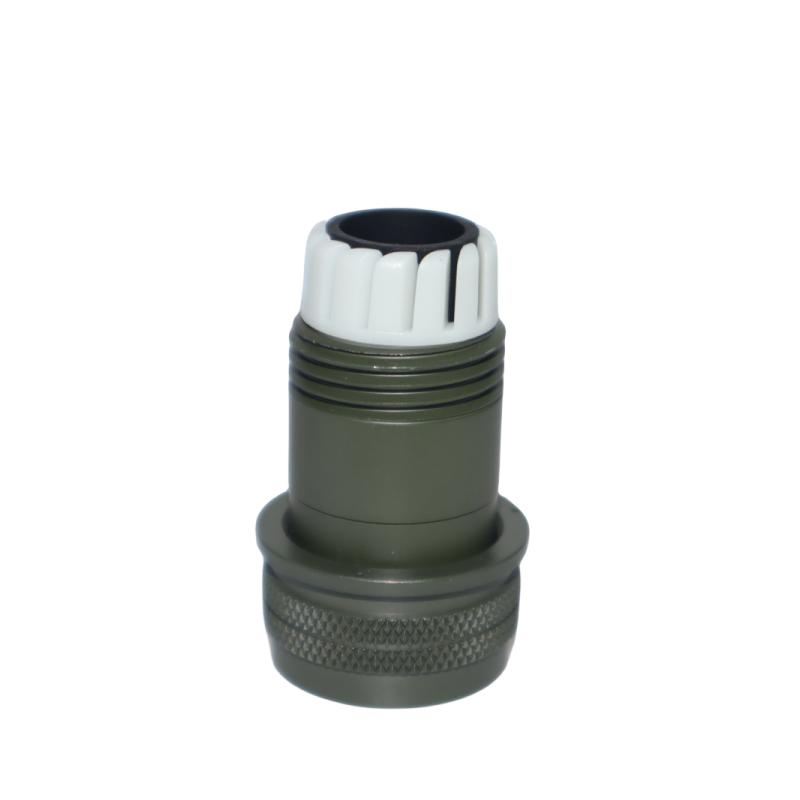
Figure 2. Bayonet cable-side supplier sample viewed from its rear. This is a different configuration and photograph, not a claimed substitute for the threaded connector.
Ask for costs that can actually be compared
No price ratio is quoted here. Without current, like-for-like quotations, a claim that one series is a fixed percentage cheaper would be misleading.
Instead, ask each quotation to separate the connector, mating half, contacts, rear accessories and other required items. Identify whether tools, assembly work, documentation or validation are outside the offer. Specify the same quantity, required date and purchasing restrictions for both candidates.
A lower connector-body price may not reduce the total project cost if the proposed configuration changes assembly equipment or requires additional approval work. Conversely, carrying an existing approved interface into a new fixture may simplify sourcing even when another family looks attractive in isolation. These are project decisions; the comparison sheet should show which facts support them.
Keep the selection record usable after the meeting
Use a one-page decision record with four columns: requirement, candidate, supporting drawing, open issue. Assign an owner to every open issue. This prevents a tentative discussion of connector families from becoming an unqualified purchase instruction.
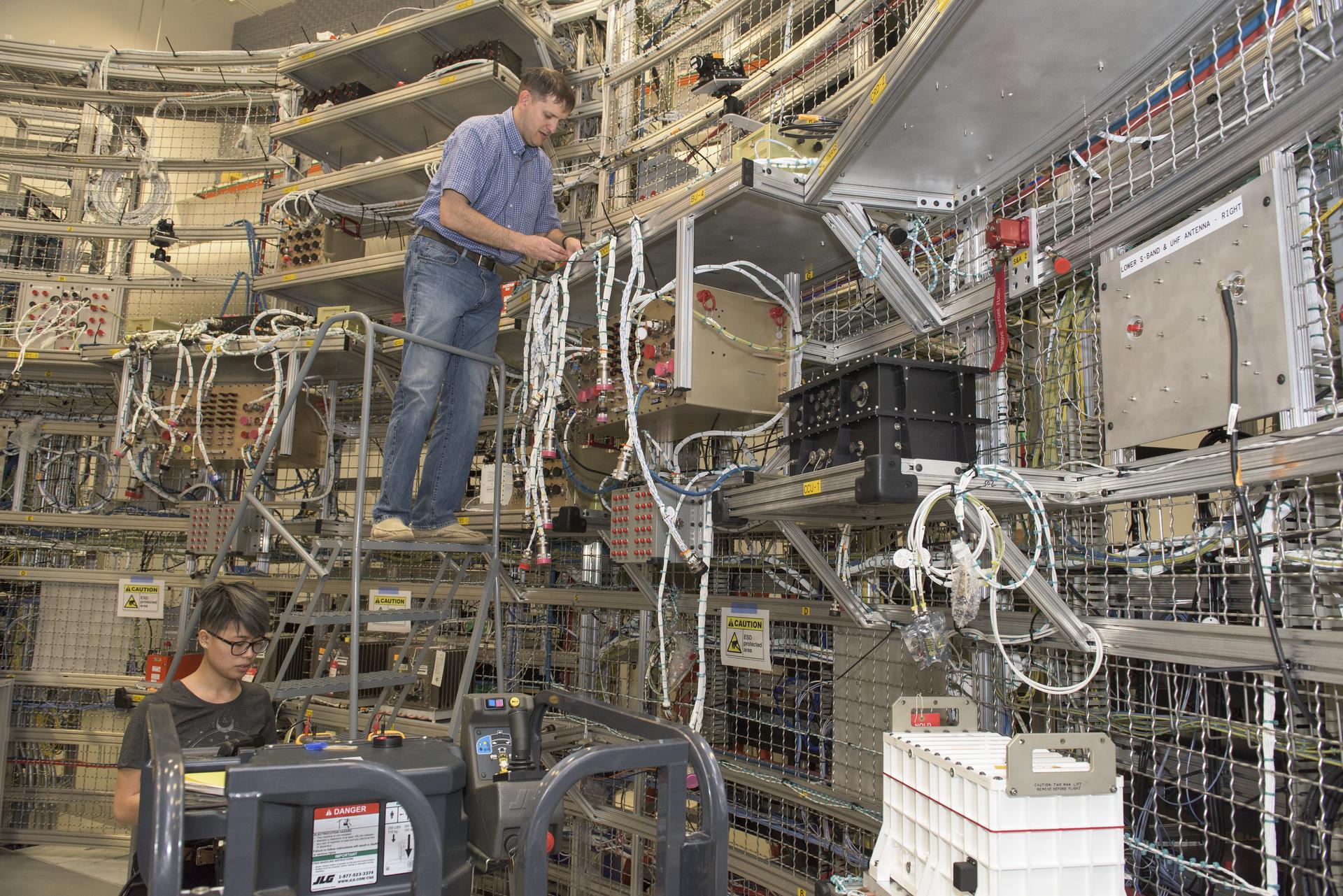
Figure 3. Engineers inspecting avionics-system cables at Marshall, 16 March 2016. Cable routes, interfaces and access need to be reviewed together. Credit: NASA/FRED DEATON. Original archive. Context only; the connector series is not identified and this is not a Tradin installation or endorsement.
The MIL-DTL-38999 range and MIL-DTL-26482 range are separate sourcing entry points. Send the actual interface and circuit requirements with your inquiry rather than asking for a generic “mil-spec connector.”
For a selection-stage quotation, include the circuit schedule, wire details, space constraints, quantity, required arrival date and original-only or alternative-evaluation requirements. If the equipment interface is fixed, identify it clearly.
Submit the harness requirements for a configuration review →
References
[1] Amphenol Connector Reference Guide, Volume 2, family and subseries descriptions.
[2] Amphenol Industrial PT Series, with the applicable PT catalog for termination and installation details. Sources checked 18 October 2026.
FAQ
Is MIL-DTL-38999 always the better choice?
The appropriate configuration depends on the fixed interface and project requirements. A family-level ranking cannot replace that review.
Which connector family costs less?
Compare dated, like-for-like quotations and implementation costs. This guide does not claim a universal price ratio.
What information supports an early selection inquiry?
Provide the circuit schedule, wire details, installation envelope, quantity, required date and any original-only, qualification or document requirements.